Introduction
A quality press brake machine is an important tool in metal fabrication for bending sheet metal into specific angles or shapes. However, not all press brakes are created equal, and selecting the right press brake for a particular application can be a challenging task.
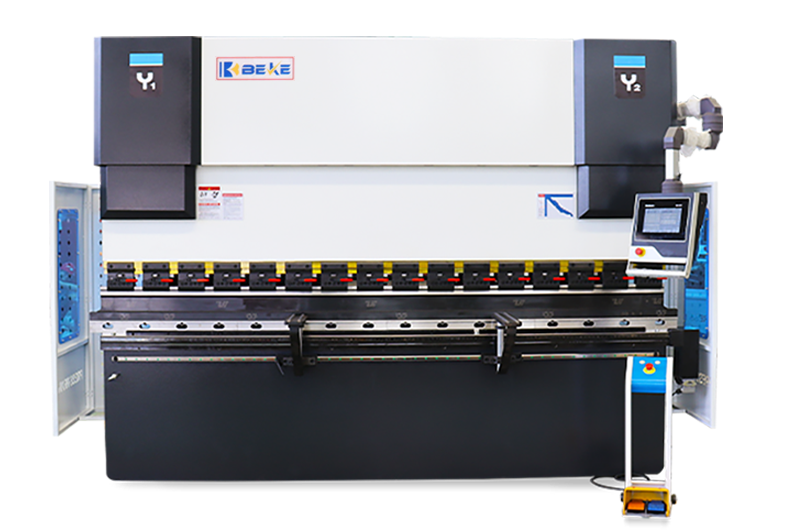
A press brake is a machine tool used in metalworking, primarily for bending sheet metal and sheet material. It consists of a flat surface called the bed and a beam or slide that moves up and down to apply force to the material being bent. The material is held in place by a set of molds mounted on the bed and columns. These dies are shaped to create the desired bend angles and radii on the material. Bending machines can be manually operated or automatic, and they come in a variety of sizes and tonnages to accommodate different material thicknesses and bending requirements. Presses are commonly used in a variety of industries including metal fabrication, automotive, aerospace and construction.
Factors to consider when choosing a bending machine
A. Material Type and Thickness
The first factor to consider when choosing a press brake bending machine is the type and thickness of material to be bent. The maximum bending capacity required for the application should be determined in order to select an appropriate bending machine. Selecting the proper tonnage for the material being bent is also important to ensure that the press brake can handle the required load.
B. Bending length
The desired bend length for an application is another key factor to consider when selecting a press brake. The bending length is the distance between the side frames of the bending machine, which determines the maximum length of the sheet metal that can be bent. It is critical to select a press brake with sufficient bend length to meet the application requirements.
C. Tooling
The tools used in a bending machine are critical to achieving the desired bend angle and radius. There are many different types of tooling available, including V-die, punch and die sets, and air bending dies. Tool selection will depend on the desired bend angle and radius. Choosing the right tool to get the desired results is crucial.
D. Control system
The control system of the bending machine is also a key factor to consider when choosing a press brake bending machine. There are many different types of control systems available, including manual, semi-automatic, and fully automatic systems. The choice of control system will depend on the needs of the application. For example, high-volume production may require a fully automated control system, while small-volume production may require a manual system.

E. Budget and return on investment
The budget for purchasing a press brake machine is also a key factor to consider. The cost of a press brake can vary widely depending on the type and size of the machine. It is important to determine the purchase budget and consider the return on investment (ROI) of the selected press brake. A press brake with a higher initial cost may have a lower return on investment than a less expensive machine that better suits the needs of the application.
Conclusion
Selecting the proper press brake machine for a specific application is critical to ensuring optimum performance and efficiency. When choosing a press brake, you should consider material type and thickness, bend length, tooling, control system, budget, and return on investment. Choosing the right press brake will lead to better quality products, higher productivity and better return on investment.
Related Products